
A factory-floor capacity problem, tackled without losing confidence in quality.
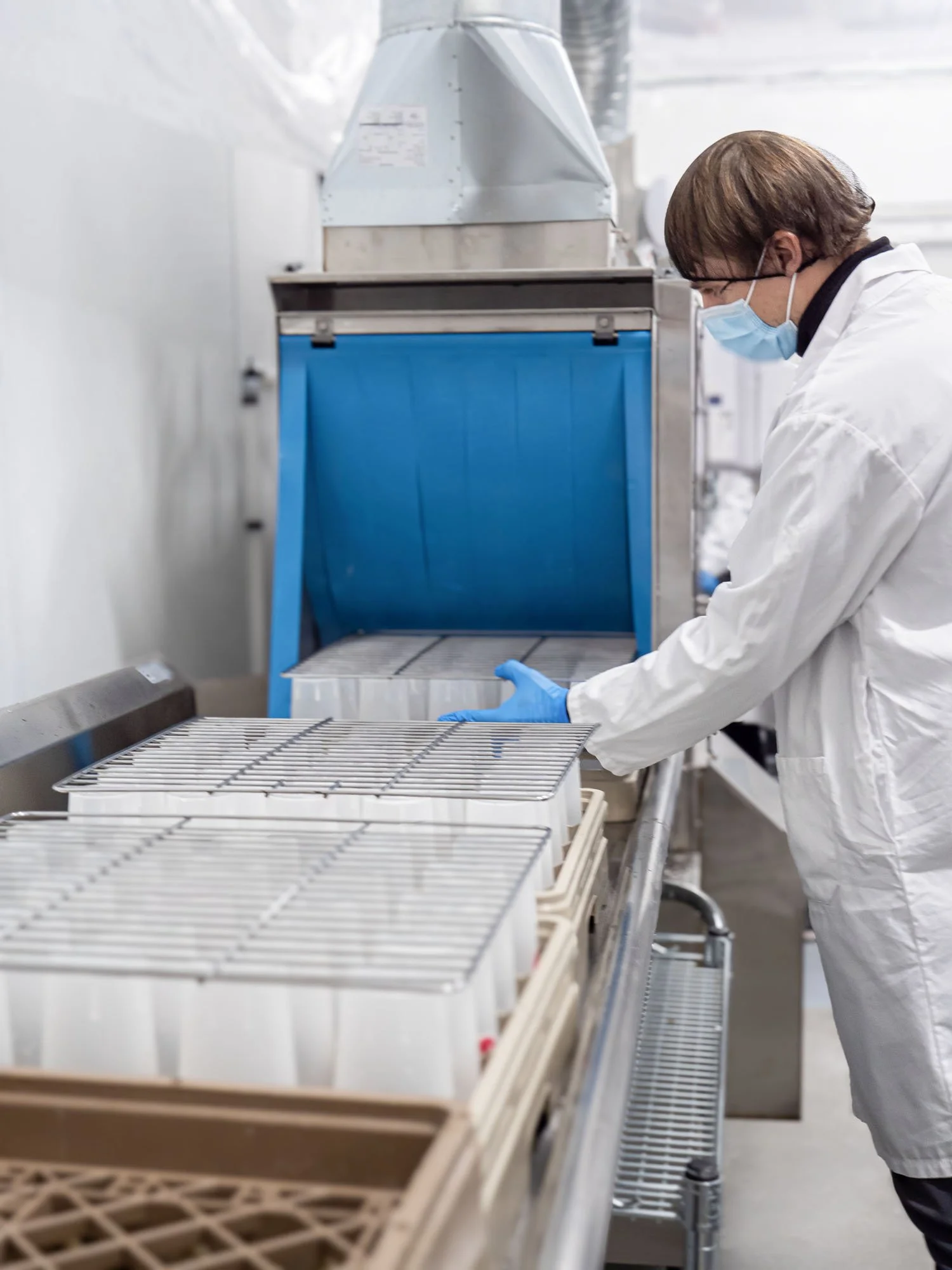
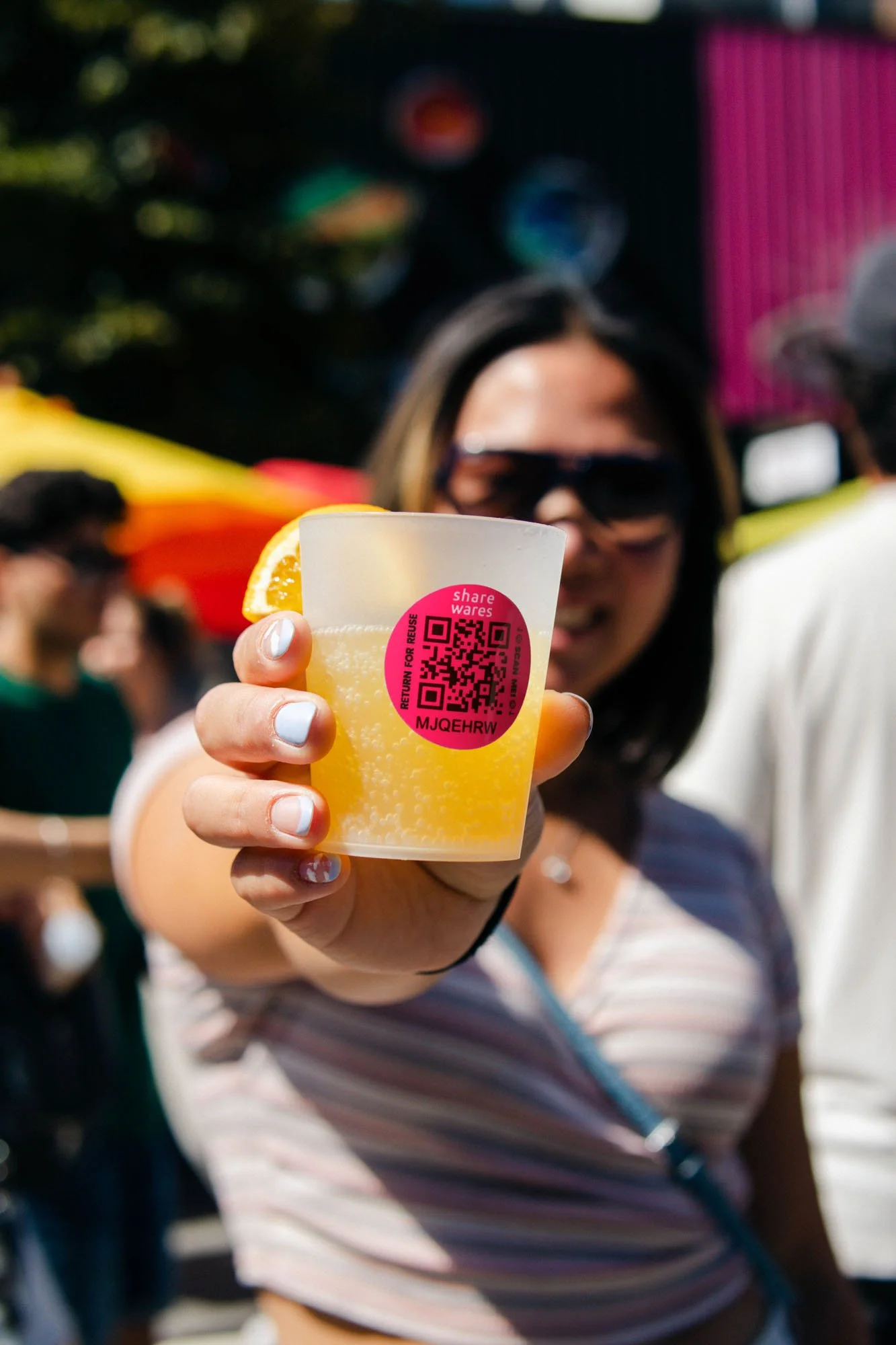
At ShareWares, I worked on capacity and quality-control improvements for a reusable-cup restoration line. The aim was practical and worthwhile: help a circular-economy operation wash, restore and return more food-service containers to use.
The line needed more throughput, but not at the expense of confidence in every cup leaving the process. I started by mapping how the live operation actually behaved, then developed the requirements and took the work through concept design, equipment evaluation, prototyping and testing alongside operators, vendors and technical specialists.
Once I understood where capacity and quality were being constrained, I designed and developed an inline drying system that could integrate with the wash line. In parallel, I ran a research project into a new sensory quality-control system for future integration. Both workstreams were highly hands-on: practical experiments, iterative design, supplier assessment and testing against the messy reality of live operations.
The drying system was designed for approximately 15 times the previous drying capacity, removing a major constraint from the restoration line. For both of these projects, the detailed process architecture, sensing methods and operating parameters remain confidential under a non-disclosure agreement (NDA).